

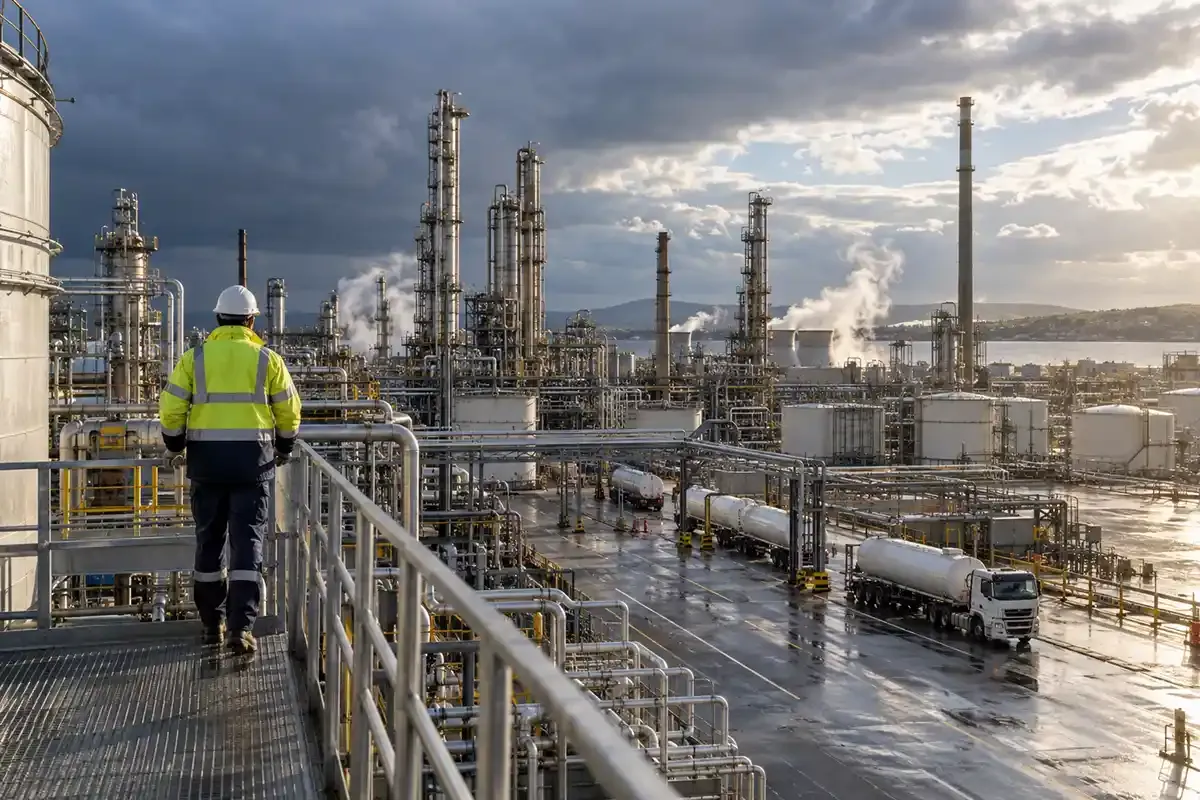

Energy demand changes with the calendar, but the calendar is not a trading signal. Cold winters, hot summers, driving seasons, harvests and refinery maintenance create recurring patterns. Prices respond to how actual conditions differ from expectations and to whether the system has enough inventory, transport and spare capacity to adjust.
Weather affects more than demand
Cold conditions can increase natural-gas and heating-fuel demand. Hot conditions can raise electricity demand for cooling and increase gas use by power generators. Storms can also interrupt offshore production, ports, pipelines, refineries and electricity networks.
The same forecast can have different effects depending on location and timing. Cold weather where storage is low and pipelines are constrained matters differently from the same temperature where capacity and inventories are ample.
Seasonality is a baseline, not a forecast
Seasonality is a pattern that tends to recur within a year. US petrol demand often strengthens around the driving season, while distillate demand can rise with winter heating and agricultural activity. Natural-gas storage commonly builds during lower-demand months and draws during the heating season.
A seasonal average helps define what is normal for that point in the year. It does not guarantee that the current year will follow the average. Economic activity, efficiency, fuel switching, policy and unusual weather can change the pattern.
Why refineries change crude and fuel balances
Refineries are the bridge between crude oil and finished products. When utilisation rises, crude intake can increase and fuel output can grow. During planned maintenance or an unplanned outage, crude demand may fall while available petrol, diesel or jet fuel also declines.
The effect depends on which units are affected and which products the refinery normally makes. A facility can return gradually, and full throughput does not guarantee the same product yield as before.
Fuel specifications create seasonal transitions
Some markets change petrol specifications between winter and summer. Refineries and terminals must prepare the compliant blend before the transition, which can affect processing, blending components, logistics and inventories. Maintenance is often scheduled between peak demand periods, but timing varies by region and facility.
These changes help explain why refined-product crack spreads can show seasonality. A crack spread is an indicative difference between product and crude prices; it is not a refinery’s complete realised profit.
How to read an unexpected weather event
- Identify the affected product and region.
- Separate demand effects from production and infrastructure effects.
- Compare the forecast with normal conditions and prior expectations.
- Check inventories, pipeline capacity and available alternatives.
- Estimate duration rather than reacting only to the event headline.
- Look for confirmation in flows, refinery activity and stock data.
The guide to oil inventories and supply disruption explains the buffer in more detail.
Why products can diverge
Crude oil, natural gas, petrol and distillates serve different users and rely on different infrastructure. A mild winter may reduce heating demand while transport demand remains firm. A refinery outage may weaken nearby crude demand but support refined-product prices. A hurricane may initially threaten supply, then reduce demand if transport and economic activity are also disrupted.
Use the physical sequence in the Energy supply-chain guide to test where the change enters and where it can be absorbed.
Applying the context to Energy CFDs
An Energy CFD follows its referenced price and product terms. Weather and refinery news do not change the ownership boundary: the client does not own oil, gas or refinery output. Leverage, spreads, gaps, financing and trading schedules still apply.
Review Energy CFD foundations, then check the current RG specification before using seasonal or weather context in a risk plan.